

How to Track Monthly Income and Expenses
Learn simple methods to record what you earn and spend each month. We’ll show you three approaches — pick the one that fits your lifestyle.
Read MoreEducational guides on tracking income and expenses, reducing unnecessary spending, and building positive cash flow habits
Managing your money doesn’t have to be complicated. We’re here to help you understand the fundamentals of cash flow — how money comes in, where it goes, and how to make smarter decisions about spending. Whether you’re just starting to track expenses or looking to optimize your budgeting framework, these guides break down the concepts into actionable steps you can implement today.
Practical articles to help you master your monthly finances
Learn simple methods to record what you earn and spend each month. We’ll show you three approaches — pick the one that fits your lifestyle.
Read More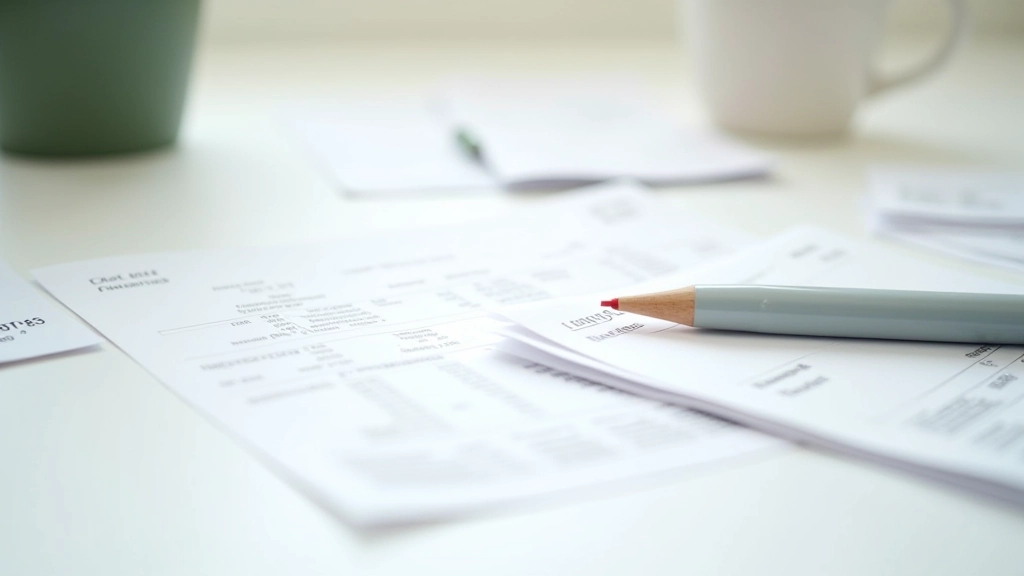
Not all spending is equal. Find out where your money’s really going and what you can trim without feeling like you’re missing out.
Read More
Small habits create big results over time. Discover the daily and weekly practices that keep your cash flow healthy and growing.
Read More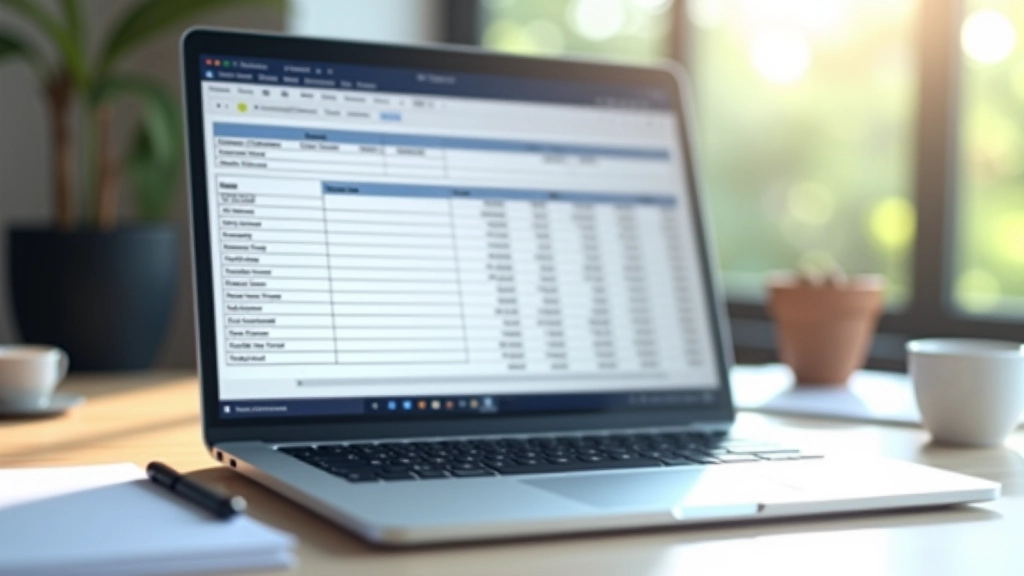
From the 50/30/20 rule to zero-based budgeting, we break down four frameworks and help you choose what works for you.
Read MoreFollow these four steps to take control of your money
Collect bank statements, credit card statements, and expense receipts from the past three months. Don’t worry about perfection — rough figures work fine to start.
Add up total income and total expenses for each month. Then average them. This gives you a realistic picture of what you’re actually working with.
Group expenses into categories — housing, food, transport, entertainment, subscriptions. You’ll spot where most of your money goes and what surprises you.
Pick one or two areas to improve this month. Maybe it’s cutting one subscription or reducing dining out. Small wins build momentum and real change.
Living in Malaysia comes with unique financial considerations. Rising living costs in major cities like Kuala Lumpur and Penang, varying income stability across industries, and different financial products available locally all shape how you should approach your cash flow.
That’s why understanding your personal cash flow isn’t just helpful — it’s essential. When you know exactly how much comes in and where it goes, you’re not guessing. You’re making informed decisions. You’re building confidence. You’re creating space for what actually matters to you.
The good news? You don’t need fancy tools or complicated systems. You just need to start. Many people find that simply tracking their expenses for one month opens their eyes to spending patterns they never noticed before. From there, small adjustments compound into real financial stability.
Pro tip: Don’t aim for perfection in your first month of tracking. Aim for awareness. Once you see where your money goes, making changes becomes natural.