Building Positive Cash Flow Habits
Small habits create big results over time. Discover the daily and weekly practices that keep your cash flow healthy and growing.

Why Daily Habits Matter More Than You Think
Here’s the thing about cash flow — it’s not built on dramatic decisions. You don’t suddenly transform your finances by making one big choice. Instead, it’s the small, consistent actions you take every single day that add up to real change.
Think of it like building muscle. You won’t see results from one trip to the gym, but after three months of showing up twice a week? That’s when people notice. Your cash flow works exactly the same way. The daily habits you’re about to learn aren’t complicated or restrictive. They’re practical routines that fit into your life.
We’ve seen people go from constantly overdrawing their accounts to building three months of emergency savings just by implementing these habits consistently. It doesn’t require earning more money or cutting out everything you enjoy. It requires showing up.

The Daily Habits That Work
Your day-to-day habits are the foundation. These aren’t meant to be burdensome. Most people spend more time scrolling social media than they do managing their money. We’re talking about shifting just 5-10 minutes of your day.
The Five-Minute Check
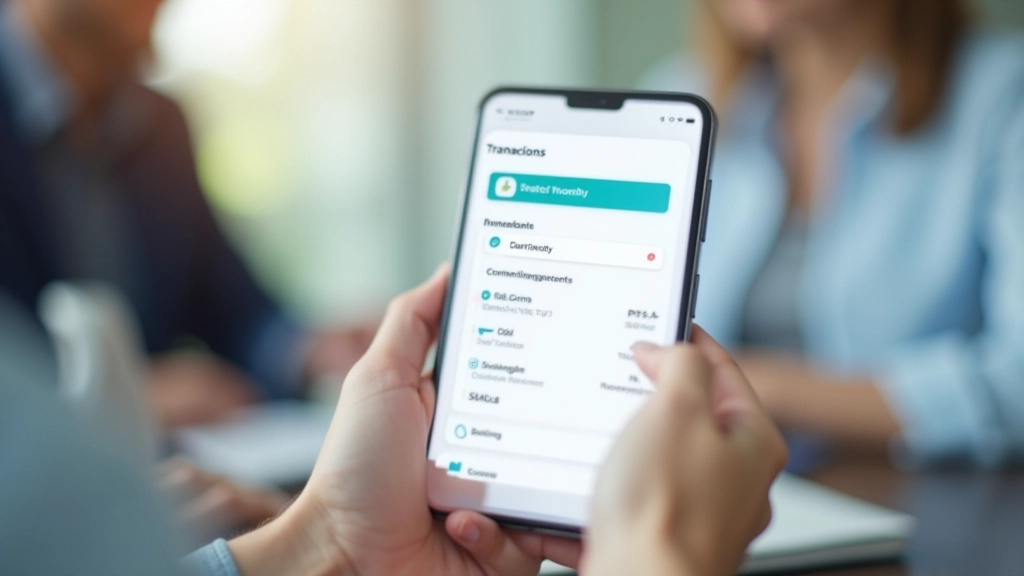
Every morning with your coffee, open your banking app. Don’t panic if something looks wrong — just look. This takes less time than checking email. You’re building awareness of what’s actually happening in your account, not guessing based on memory.
The Receipt Snap
When you spend money on anything above RM20, take a photo of the receipt. Save it in a folder on your phone. Sounds simple, but this creates a trail. At the end of the week, you’ll see exactly where money went. No surprises, no excuses.
The Evening Tally
Before bed, spend two minutes entering today’s expenses into a simple spreadsheet or app. Not complicated. Just the amount and category. Over 30 days, you’ll have a complete picture of your spending patterns without feeling stressed about it.

Weekly Routines That Compound
Once daily habits are solid, add the weekly routine. This is where you step back and look at the bigger picture. Every Sunday evening works best for most people, but pick whatever day fits your schedule. The key is consistency.
Your weekly check takes about 15-20 minutes. You’re comparing what you actually spent against what you budgeted. Did you go over in groceries but under in entertainment? That’s valuable information. You’re not judging yourself — you’re learning how you actually spend money.
Pro tip: Track three weeks before making any judgments about your spending. Your brain needs data from a realistic period before you can spot actual patterns versus unusual weeks.
Building Momentum Over Months
After four weeks of daily and weekly habits, something shifts. You’ll start noticing patterns you never saw before. Maybe you’re spending RM300 a month on food delivery when you thought it was RM100. Or you’re leaving RM50 in small subscriptions that you forgot about. These aren’t failures — they’re discoveries.
The best part? You didn’t need willpower or extreme budgeting to uncover this. You just watched what actually happened. Now you can make real decisions. Do you want to cut the delivery habit entirely or reduce it to weekends only? That’s your choice based on actual numbers.
Weeks 1-2: Awareness
Just track. Don’t change anything. You’re building a baseline.
Weeks 3-4: Recognition
Patterns emerge. You see where money actually goes.
Month 2: Adjustment
Small changes feel natural now. You’re not forcing anything.
Month 3+: Stability
Habits stick. Cash flow improves visibly. Momentum builds.

What Actually Gets in the Way
You’ll hit bumps. Everyone does. Here’s what we see most often and how to handle it:
The Guilt Trap
You’ll have weeks where you overspend. Maybe you spent RM500 on something you didn’t plan for. That’s not failure. It’s information. You can adjust next week. The people who succeed don’t stop tracking when they mess up — they track even more carefully to understand what happened.
The Boredom Fade
After three weeks, tracking feels routine. You might skip a day or two. This is where most people quit. But here’s the thing — after four weeks, the benefits become obvious enough that you want to keep going. The motivation shifts from discipline to actually seeing results.
The Unexpected Expense
Car repairs, medical bills, family emergencies — they happen. Your tracking system doesn’t break because of one big expense. You just note it, categorize it, and move forward. That’s why building a three-month buffer becomes possible once you have these habits solid.

The Real Power of Small Habits
You don’t need a complete financial overhaul. You don’t need to earn more money or cut out everything you enjoy. What you need are five minutes in the morning, two minutes at night, and fifteen minutes once a week. That’s it. That’s the entire system.
What makes these habits powerful isn’t that they’re complicated. It’s that they’re simple enough to actually stick with. They don’t rely on willpower or motivation. They rely on showing up consistently, and after a few weeks, showing up becomes automatic.
The people we’ve seen build genuinely healthy cash flow aren’t superhuman. They’re not naturally disciplined or great with numbers. They’re just people who decided that five minutes a day was worth understanding their money. And that small decision compounds into real financial stability.
Ready to Start Building Your Habits?
Pick one habit this week. Just one. The five-minute check or the receipt snap. Don’t try to do everything at once. Build from there.
Read: How to Track Income and ExpensesDisclaimer
This article provides educational information about personal cash flow management and budgeting habits. It’s not financial advice, and circumstances vary widely between individuals. If you’re dealing with debt, credit issues, or significant financial challenges, consider consulting with a qualified financial advisor or counselor who can assess your specific situation. The habits described here are general approaches — what works for one person might need adjustment for another based on income, expenses, family situation, and local economic conditions.
Explore More Articles