
How to Track Monthly Income and Expenses
Learn simple methods to record what you earn and spend each month. We’ll show you three approaches — pick the one that fits your lifestyle.

Why Tracking Matters
You can’t manage what you don’t measure. That’s the core idea behind tracking your income and expenses. When you know where your money comes from and where it goes, you’re in control. Most people are shocked when they see their actual spending patterns — things they didn’t realize added up.
The good news? You don’t need complicated software or spreadsheets. We’ve seen people get results with a simple notebook, a banking app, or a basic Google Sheet. The method matters less than the consistency. Start with whatever feels easiest, then adjust if needed.

Three Simple Tracking Methods
Choose based on what you’ll actually stick with
The Notebook Method
Grab a small notebook and write down every transaction — income on one page, expenses on another. Tally them up at month’s end. It sounds old-fashioned, but the act of writing forces you to pay attention. You notice patterns faster.
- Requires: Notebook, pen
- Best for: People who like tangible records
- Time commitment: 5 minutes daily
Banking App Tracking
Your bank already shows you transactions. Open your app, review spending categories, and take screenshots at month’s end. Some apps automatically categorize transactions — you just review and adjust. It’s already there, you’re just paying attention to it.
- Requires: Banking app (you already have)
- Best for: People on mobile phones
- Time commitment: 10 minutes weekly
Spreadsheet System
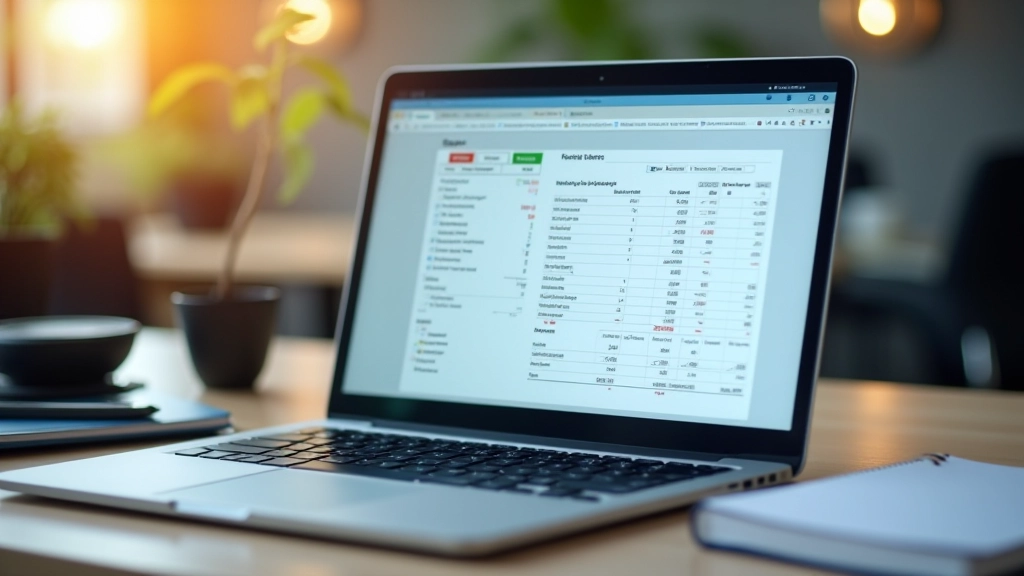
Create columns for date, category, amount, and notes. Google Sheets is free and syncs across devices. You can add formulas to calculate totals automatically. Takes more setup time but gives you powerful analysis tools once it’s running.
- Requires: Computer or tablet, Google account
- Best for: People who like detailed analysis
- Time commitment: 15 minutes weekly
Getting Started This Week
Don’t overthink this. Pick one method and commit to it for 30 days. That’s the real test — not whether the system is perfect, but whether you’ll actually use it.
Start by listing your regular income sources. If you’re employed, that’s straightforward. If you have side income or irregular payments, write them down anyway. Then, for the next week, write or record every single expense. Coffee, groceries, fuel, subscriptions — everything.
At the end of the week, total it up. You’ll notice categories immediately. Most people find they’re spending on things they forgot about — that coffee habit, the streaming subscriptions, the small purchases that add up. That awareness is step one.
Pro tip: Include irregular expenses like car maintenance, medical visits, and annual insurance. Don’t just look at monthly spending — think about the full year divided into 12 months.
Expense Categories That Work
These are broad enough to be useful but specific enough to show patterns
Housing
Rent or mortgage, utilities, internet, maintenance
Transportation
Car payment, fuel, insurance, public transport, parking
Food & Groceries
Groceries and dining out (track separately if you can)
Health & Wellness
Medical, fitness, insurance, supplements
Personal & Shopping
Clothing, haircuts, household items
Entertainment & Hobbies
Subscriptions, movies, games, books, activities

What You’ll Learn From Tracking
After three months of tracking, patterns emerge. You’ll see which categories are highest, which are fixed (rent, insurance) and which are variable (food, entertainment). That’s valuable information.
You’ll notice seasonal patterns too. Maybe you spend more in certain months. Maybe a quarterly payment hits you harder than you realized. These insights aren’t about judgment — they’re about understanding your actual situation.
Once you see the numbers, you can make real decisions. “I’m spending 40% of my income on housing” is different from guessing. “My food costs are double what I thought” gives you something concrete to address. You’re not making changes based on guilt — you’re making them based on facts.
“The first month I tracked everything, I realized I was spending RM200+ on coffee and snacks. I didn’t even taste most of it. Just seeing that number made me change.”
— Aisha, 28
Your First Month Checklist
Week 1: Choose Your Method
Pick notebook, banking app, or spreadsheet. Set it up. Don’t overthink it.
Week 2-3: Record Everything
Write down or log every transaction. Include both income and expenses.
Week 4: Review & Tally
Total up each category. See where your money went. Don’t judge, just observe.
Going Forward: Keep It Going
Do this monthly. Set a reminder for the last week of each month. Takes 15 minutes. Worth it.
Ready to Start Tracking?
Pick your method and start this week. You don’t need permission or a perfect system. You need data and consistency. That’s it. After 30 days, you’ll have clarity you didn’t have before.
Continue Learning


Disclaimer
This guide is for educational purposes. It’s designed to help you understand basic cash flow tracking and personal budgeting concepts. The methods described here are general suggestions based on common practices. Your specific financial situation may differ, and what works for one person might need adjustment for another. We recommend consulting with a financial advisor if you’re making significant financial decisions. The information here isn’t financial advice — it’s educational guidance to help you think about your own money management.